Jeffrey Research Group
Jeffrey Research GroupUNIVERSITY OF NEVADA, RENO
● Department of Chemistry · Hitchcock Center for Chemical Ecology

Exploring the chemistry of biological interactions

We are a chemical synthesis and natural products group. We find the molecules plants, microbes and insects use to defend themselves, signal to one another and survive extreme environments, and then we make them: natural products, their analogs, and the new reactions it takes to build them.

Organic synthesisNatural productsChemical ecologyPhotoprotection
Piper kelleyiPiperaceae · understory shrub
Source of antiherbivore prenylated benzoic acids
J. Nat. Prod. 2014
76543210
2D J-resolved ¹H NMR of cabagranin A (CDCl₃) · f2 (ppm) × f1 (Hz, ±20) · from our lab
01 Research

Synthesis and discovery

Synthesis runs through everything we do. Field collections and ecological experiments point us to compounds that matter; isolation and spectroscopy tell us what they are; synthesis confirms their structures, supplies enough material for biology, and lets us tune what they do.

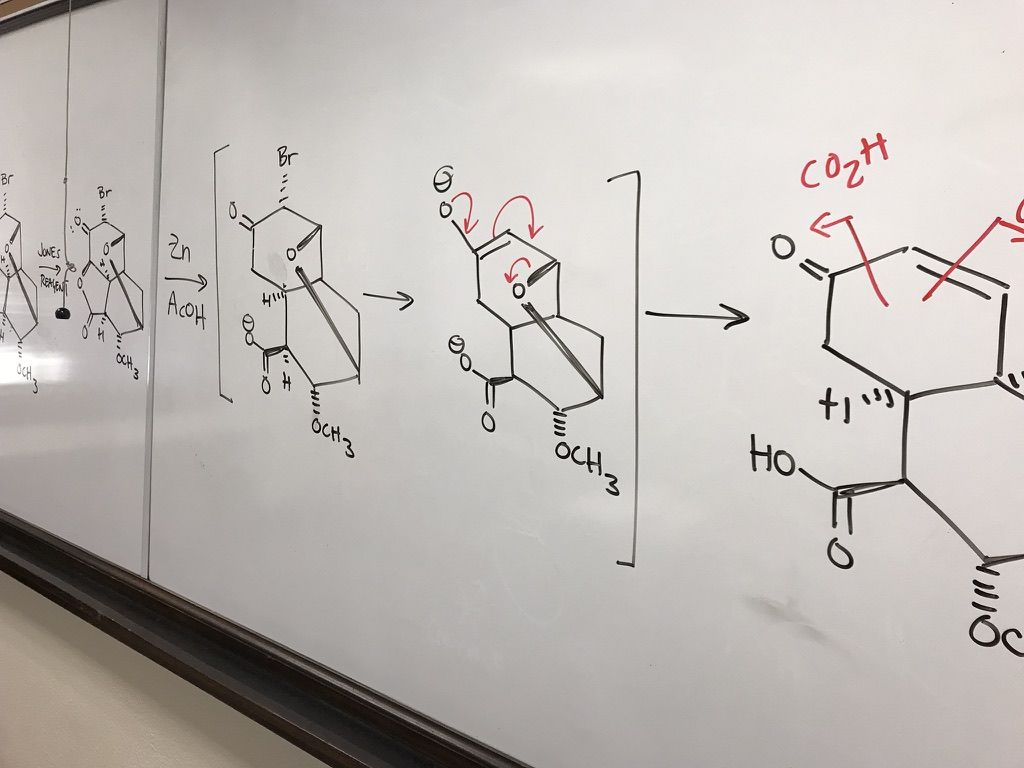
Whiteboard reaction mechanism with curved arrows
Organic synthesis · the core of the group

Total synthesis and new reactions

We develop new reactions and use them to make complex molecules. Our program introduced aza-oxyallyl cations as reactive intermediates for heterocycle synthesis, enabling (4+3) and (3+2) cycloadditions, 1,4-diamination of dienes and dearomative indole chemistry. We apply these and biomimetic strategies to the total synthesis of Piper natural products, to scytonemin and its analogs, and to synthetic analogs of antifungal leads active against Candida auris.

J. Am. Chem. Soc. 2011, 2015 · Org. Lett. 2012–2016 · Scytonemin synthesis, US 2026/0042736 A1

Path diagram linking phytochemical diversity measured by 1H NMR to herbivory, herbivore diversity and phototoxicity

Phytochemically diverse plants host a broader herbivore diversity and reduce herbivory.

Chemical ecology

Phytochemical diversity in Piper

The pepper genus Piper is our model for asking how chemical diversity in plants shapes the insect communities that feed on them. With the Dyer, Richards and Parchman groups we link intraspecific chemical variation to herbivory, caterpillar specialization and tropical forest diversity.

PNAS 2015 · New Phytologist 2016 · Journal of Ecology 2022

Rows of labeled extract and fraction vials
Natural products discovery

New molecule discovery

We use ¹H-NMR networks and non-target metabolomics to connect structural features in crude extracts to biological activity, then isolate the compounds responsible. Recent work has uncovered new neolignans, flavanone meroterpenes, octopamine and tyramine in floral nectar, and antifungal leads against Candida auris.

Front. Plant Sci. 2018 · iScience 2022 · Molecules 2025

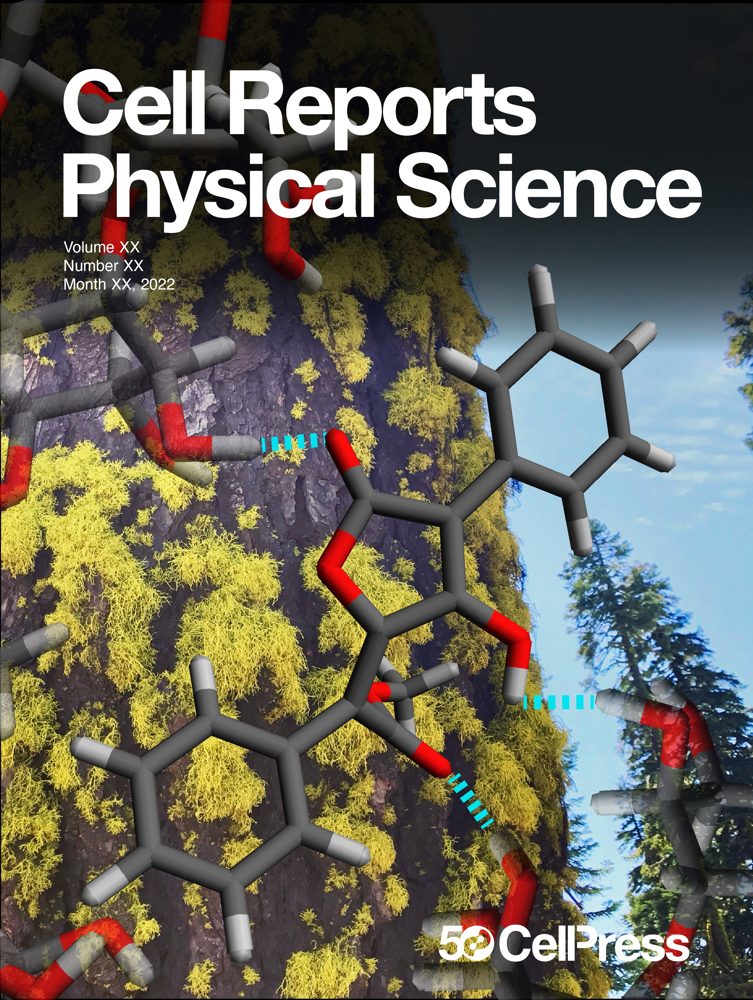
Cell Reports Physical Science cover featuring lichen and polysaccharide structures
Extreme photoprotection

Microbial sunscreens

Lichens and cyanobacteria survive intense UV with pigments such as scytonemin. With the Tucker, Varganov and Sun groups we study the structures and photophysics of these pigments, the role of cortical polysaccharides, and what they imply for life on early Earth, on UVC-intense exoplanets and for planetary protection on Mars.

Cell Rep. Phys. Sci. 2024 · Sci. Rep. 2025 · Astrobiology 2025

From landscape to molecule. Our integrated chemical-ecology pipeline, built around Piper kelleyi: field studies reveal how natural products vary among individual plants and shape insect communities, and synthetic chemistry tests the biomimetic hypotheses those studies inspire.
02 In the lab

From nature to molecule

Leaves, lichens, insects and microbes come back from the field to Reno. From there it is extraction, chromatography, NMR and mass spectrometry, and a lot of whiteboard time, until a structure emerges.

03 In the field

Where the questions start

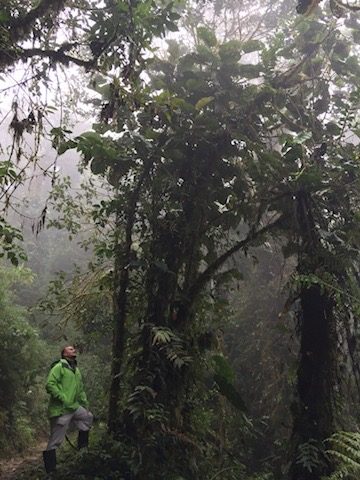
Our chemistry begins in tropical and montane forests across Central and South America, where we collect plants, record the herbivores that feed on them and measure how chemistry changes from place to place.

04 Our home at UNR

Hitchcock Center for Chemical Ecology

The Jeffrey group is part of the Hitchcock Center for Chemical Ecology at the University of Nevada, Reno, which Prof. Jeffrey co-founded and directs. The center asks how the compounds that organisms make shape the way they interact, from plants and the insects that eat them to microbes surviving extreme environments. Those questions reach across ecology, biochemistry, physiology and pharmacology, and the center brings researchers from all of them, in Nevada and around the world, to work on them together.

Fundamental questions

Testing core ideas in chemical ecology

Theory predicts strong but complex links between the chemical diversity of plants, their biological activity, the diversity of herbivores that feed on them and pressure from natural enemies. Center faculty and students test those links directly, combining field ecology, museum collections, new analytical tools and statistical modeling to discover new phytochemicals, probe the genetics of chemical defense and map how chemical variation shapes communities.

Nevada and the Great Basin

A center of excellence for the state

The center makes Nevada a hub for research at the interface of chemistry and biology and for bioprospecting in arid lands. Its work brings the natural resources of the Great Basin to light, supports employers in biotechnology, pharmaceuticals and agriculture, and creates paths from new drug and crop-protection leads to start-ups and licensed technology.

Outreach and training

Science beyond the lab

Everyone at the center takes part in outreach: teaching modules developed with K-12 teachers, research experiences for teachers and students supported by Earthwatch and NSF, and public exhibits at the university museums. Graduate students train across disciplines, including through an NSF Research Traineeship in chemical ecology.

  • $30M+in research grants
  • $3MNSF Research Traineeship for graduate students
  • Lake Tahoesymposia bringing the field together
Visit the Hitchcock Center
Podcast

Behind every scientist is a story

The Hitchcock Center for Chemical Ecology Podcast explores the people behind the science. In conversations with researchers, students and collaborators, we share the unexpected journeys, challenges and discoveries that shape careers in chemical ecology.

New episodes land on YouTube. Subscribe so you never miss one.

Hitchcock Center for Chemical Ecology Symposium 2026
Read more

From the Hitchcock Center

Catch up on the center’s people, research and news in its newsletter and see highlights from this year’s symposium in the 2026 recap.

05 Incline Village, Lake Tahoe

Tahoe Discovery Lab

39.25° N · 119.95° W · 6,225 ft

The Tahoe Discovery Lab is less a single room than a way of working that moves between the forest, the bench and the classroom. In each setting, UNR students and faculty bring their ideas to experts who can vet them: scientists, engineers, founders and technology leaders who live and work around the lake. We also open the door to the wider community, so that what we discover ends up in people’s hands, especially here at Tahoe, where many care deeply about sustainability.

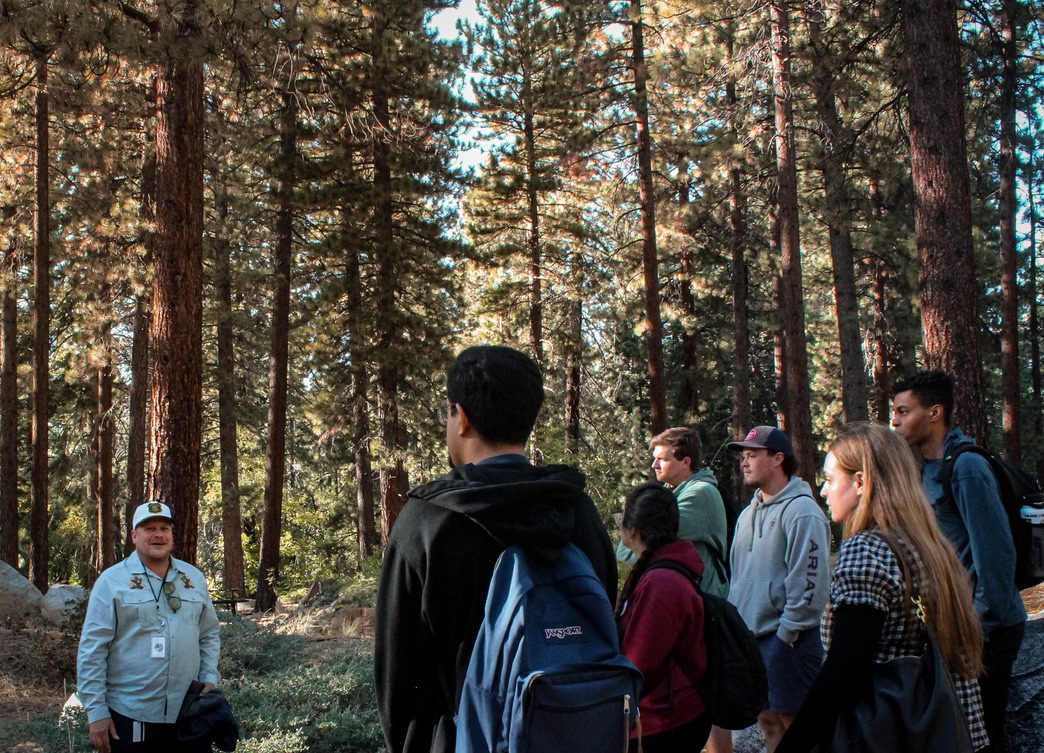
Prof. Jeffrey talking with a group of students in a pine forest at Lake Tahoe
Learning outdoors with students at the Lake Tahoe campus
Lake Tahoe at sunset, with smooth granite boulders in calm water and mountains under a pink and violet sky
Lake Tahoe, home of the Tahoe Discovery Lab
Three settings, one lab

The forest

The Sierra Nevada is our outdoor laboratory and classroom. Questions start in the landscapes and ecosystems the Tahoe community knows and wants to protect.

The bench

In the lab, ideas become data, molecules and prototypes: something concrete that experts can test, challenge and improve.

The classroom

Courses, workshops and public events bring experts and neighbors through the door to question ideas, share hard-won experience and decide what is worth building.

Our principles

Discovery first

Real innovation starts with real science. We begin from questions in chemistry, biology and materials, and let the discovery lead.

Design with people

We pair the rigor of the lab with human-centered design, so scientists learn to ask who a discovery is for and what problem it solves.

Learn from those who have done it

Local entrepreneurs and leaders in technology fields mentor students and faculty, share what worked and what failed, and open doors.

Build for the long term

We favor sustainable ideas with real-world use, and we want them to reach people faster than a typical academic path allows.

How the community comes together

Mentorship

Students and faculty are matched with innovators from the Tahoe region who advise on projects, careers and the path from idea to product.

Innovation courses

Immersive weekend courses at the Lake Tahoe campus bring industry professionals, start-up founders and CEOs into the room with students. See this semester’s courses or read about the first course.

Fellowships

Hitchcock TDL Fellows are senior graduate students who work at the interface of research and industry, one in each pillar.

Students at every level

Credential and certificate pathways for UNR students, and outreach to K-12 students through Next Gen STEM and dual-credit programs.

Two pillars

Biomedical & Biotech

Discovery chemistry with applications in health and biotechnology, including fellowship research on novel UV resistance in microorganisms.

Energy Solutions

Electrochemistry, semiconductor technology and energy materials, led by Prof. Christopher Barile and built around industry partnerships.

This semester at Tahoe · Fall 2026
INNV 250 · 3 credits · three weekends

Learn to Build a Startup

A course for future founders and innovators that follows the entrepreneurial process from discovery to market validation and venture growth. Each weekend is fully immersive at the Lake Tahoe campus, with guest lectures from CEOs, founders and industry professionals and one-on-one conversations through panel discussions.

  1. Sep 25–27The Innovator’s MindsetHow entrepreneurs identify unmet needs, uncover hidden opportunities and turn observations into actionable insights.
  2. Oct 9–11From Idea to MarketEvaluating markets, designing business models, creating competitive advantages and planning for growth.
  3. Nov 13–15Collaboration & Entrepreneurial LeadershipForming effective teams, engaging customers, building partnerships and communicating ideas that inspire action.
INNV 410 · 1 credit · Nov 6–8

Applications of LC-MS

An immersive weekend on liquid chromatography–mass spectrometry that combines theory with hands-on laboratory training. Trainees learn to perform, evaluate and communicate quantitative chemical analyses for academic and industrial settings.

Pharmaceutical scienceForensic analysisEnvironmental analysisAnalytical chemistryFood safety

Questions about enrolling? Email Prof. Jeffrey.

Community engagement
Upcoming · Tahoe Talk Series

From CO2 to Smart Windows: Chemistry for a Better Energy Future

Dr. Christopher Barile · Thursday, October 15, 2026, 5:30–7:30 pm · Prim Library, 999 Lake Tahoe Blvd, Incline Village · Free · Join in person or on Zoom

How can chemistry help build a cleaner energy future? Prof. Barile shares work from his lab on turning carbon dioxide into useful fuels and chemicals, and on “smart” windows that switch between clear and dark to help buildings save energy.

Tahoe Series flyer: Join us in person or on Zoom with Dr. Christopher Barile, From CO2 to Smart Windows, Thursday Oct. 15, 5:30 to 7:30 p.m., Prim Library, University of Nevada, Reno at Lake Tahoe

Open doors at the lake

The Tahoe Discovery Lab is built to be shared. Our courses, talks and community gatherings bring students, scientists, entrepreneurs and Tahoe neighbors into the same room to test ideas and talk about what sustainable innovation could look like for the region.

Join the email list to hear about upcoming Tahoe Talks, community events and new weekend courses. Choose the topics you care about and we will only send what fits.

Get involved

Innovators can mentor, speak or partner on a project. Students and faculty can join a workshop, apply for a fellowship or bring an idea to test.

Connect with the lab
06 Principal investigator

Christopher S. Jeffrey, Ph.D.

Natural products, phytochemical variation and non-target metabolomics.

CJProf. Christopher Jeffrey

Chris Jeffrey is Professor of Chemistry and of Microbiology & Immunology at the University of Nevada, Reno, where he holds the Harold Walter Siebens Endowed Chair in Entrepreneurship at the Lake Tahoe campus. He directs the Hitchcock Center for Chemical Ecology, which he co-founded in 2017, and leads the Tahoe Discovery Lab.

He earned a B.S. in chemistry from Carroll University, then an M.S. and Ph.D. at the University of Minnesota with Professor Thomas R. Hoye, where his thesis included the total synthesis of petromyzonamine disulfate, a component of the sea lamprey migratory pheromone. He was a Council on Science and Technology Postdoctoral Fellow at Princeton University before joining the UNR faculty in 2010.

His group works where organic chemistry meets ecology, from new reactive intermediates for synthesis to the chemistry of plant–insect interactions and the pigments that let microbes survive extreme UV. The work is supported by NSF, NASA and NIH, and has long-standing partnerships in Brazil, Costa Rica and Ecuador. He has taught short courses in chemical ecology at the University of São Paulo and UNESP, and has led Earthwatch citizen science teams since 2012.

He serves as Treasurer of the International Society of Chemical Ecology, Associate Editor of Frontiers in Natural Products, an editorial board member of Discover Ecology, and a member of the Scientific Advisory Board of Stratum Biosciences. His honors include the Mousel-Feltner Award for Excellence in Research, UNR’s Outstanding Undergraduate Research Mentorship Award, the Thieme Synthesis/Synlett Award, and a CNPq Science Without Borders award.

07 People

The team

Graduate students and staff working across synthesis, isolation and ecology.

Group life
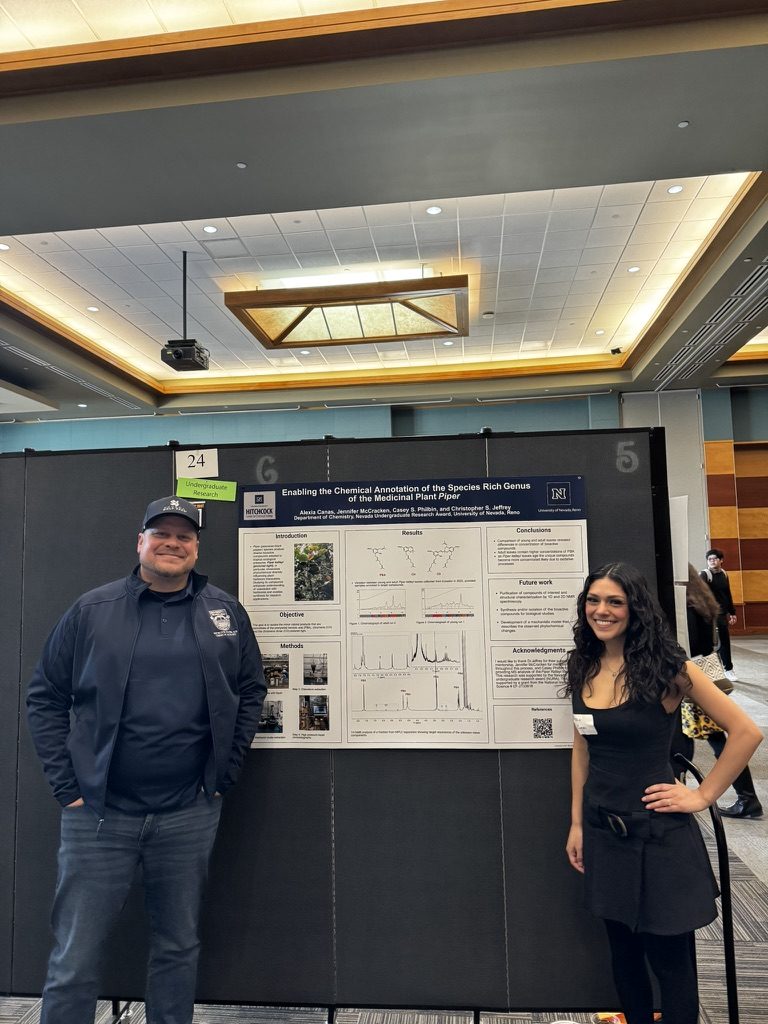
Lexi Canas with her Nevada Undergraduate Research Award poster on the chemical annotation of Piper
At a poster session
Commencement with Garrett Larson, Ph.D.
Celebrating a bachelor’s degree
Garrett Larson celebrating the completion of the total synthesis of scytonemin and scytonemin imine
Undergraduate researcher McKenzie Shipman (now at Untamed Wines) and Prof. Tara Massad in the laboratory of collaborator Prof. Massuo Kato at the University of São Paulo
Megan Burroughs, Ph.D., celebrating her defense. She is now an Assistant Professor at the University of Missouri–St. Louis
Barbecue with collaborator Prof. Massuo Kato (University of São Paulo)
Graduate alumni · where they are now
    08 Output

    Publications

    Peer-reviewed articles, chapters and patents. Search by keyword, author, journal or year.

    09 Updates

    News

    Recent papers, courses, field trips and coverage in Nevada Today.

    Mar 2026 · Nevada Today

    Tahoe Discovery Lab expands innovation at the Lake Tahoe campus

    Prof. Jeffrey is named the Harold Walter Siebens Endowed Chair in Entrepreneurship and will lead a new Innovation Certificate program through the lab.

    Read the story
    Nov 2025 · Nevada Today

    Students meet industry leaders at the first Bioinspired Innovation Course

    A weekend course at Lake Tahoe, led by Prof. Jeffrey, brought students from several disciplines together with pharmaceutical and industry professionals.

    Read the story
    Jun 2025 · Science News

    A barrage of radiation couldn’t kill this hardy life-form

    Science News covers our Astrobiology study with NASA Goddard and DRI: a Mojave Desert lichen survived three months of intense UV, challenging assumptions about which exoplanets could host life.

    Read the story
    10 Opportunities

    Join the group

    We welcome students who want to work across the boundary of chemistry and biology. Email Prof. Jeffrey at cjeffrey@unr.edu.

    Graduate students

    We are looking for students excited about organic synthesis, natural products or chemical ecology. Apply through the UNR Department of Chemistry graduate program or the Ecology, Evolution and Conservation Biology Ph.D. program, and mention the Jeffrey group in your statement. Contact Prof. Jeffrey before applying.

    Undergraduates

    Research positions open each semester for students with organic chemistry experience. Email a short note about your interests and schedule.

    Collaborators & industry

    Partnerships in analytical chemistry, natural products and sustainable innovation run through the Hitchcock Center and the Tahoe Discovery Lab.